Handling heavy and oversized cargo is one of the most resource-intensive processes in warehouse logistics. Automation helps reduce reliance on manual labor, balance warehouse workloads, and maintain consistent processing speeds. At Zammler Kazakhstan, we consistently introduce technology solutions that strengthen our operations, and one such project was the “Cargo” automatic parcel-sorting line integrated into the company’s existing logistics hub.
The Challenge
Before the automated line was introduced, shipments weighing more than 20 kg were handled entirely manually:
- four people worked at each unloading dock;
- parcels were manually placed on pallets and moved to the sorting area;
- employees manually sorted shipments by destination;
- the sorting area remained a bottleneck as volumes increased;
- warehouse space was utilized unevenly: at some times the area stood idle, while at others there was not enough space, resulting in additional costs;
- additional costs were incurred to scan each shipment.
The Solution
We had clear objectives: automate as many operations as possible in the handling of heavy and oversized cargo, reduce human involvement in routine processes, and balance the warehouse workload.
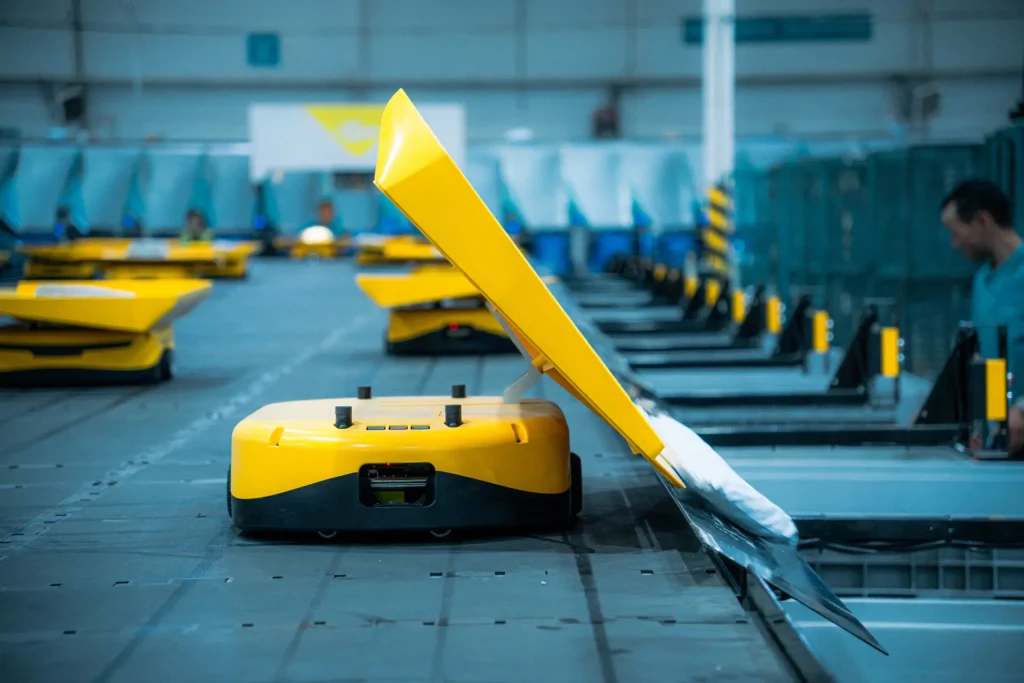
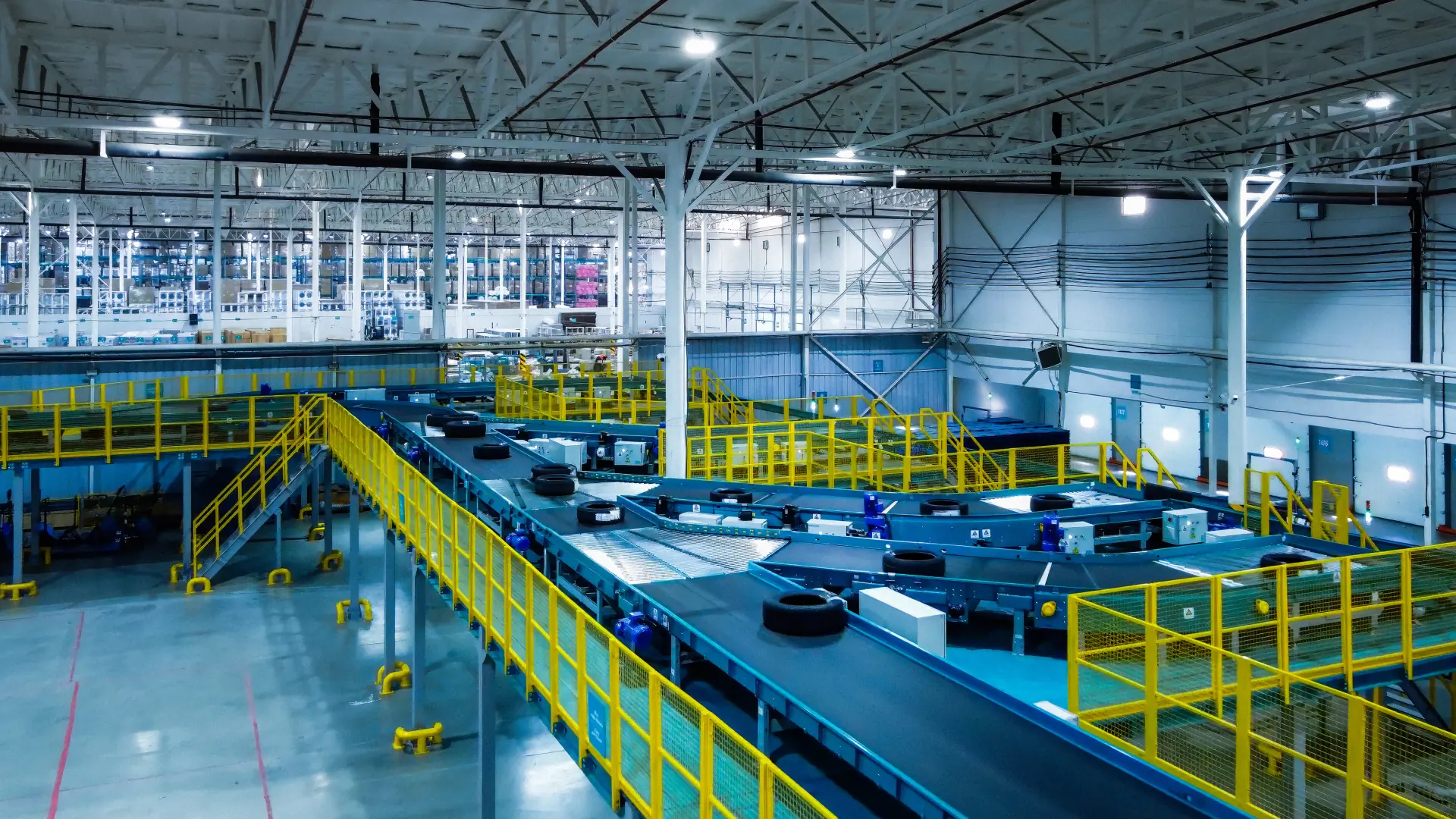
The solution was the “Cargo” automatic parcel-sorting line, designed for cargo weighing up to 60 kg and measuring up to 1.5 m. This is already the third automated system within the company’s overall infrastructure. “Cargo” enabled rapid unloading and distribution of cargo across more than 30 destinations without human involvement in sorting or transportation.
How Does the Line Work?
A key part of the project was redesigning the unloading area. Telescopic conveyors with adjustable height and reach into the vehicle body were installed.
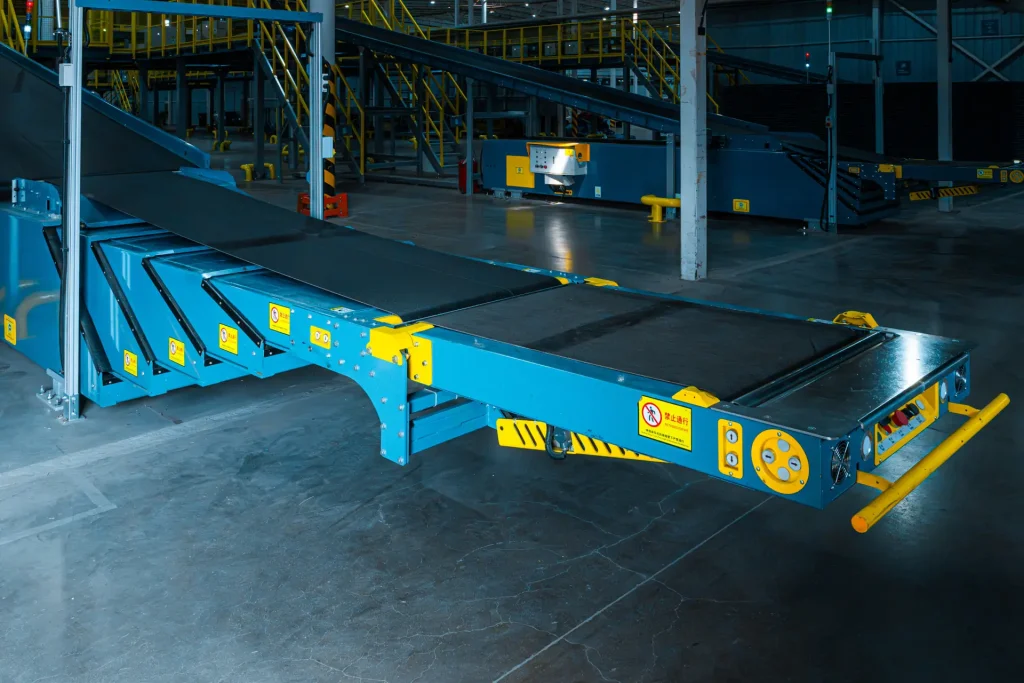
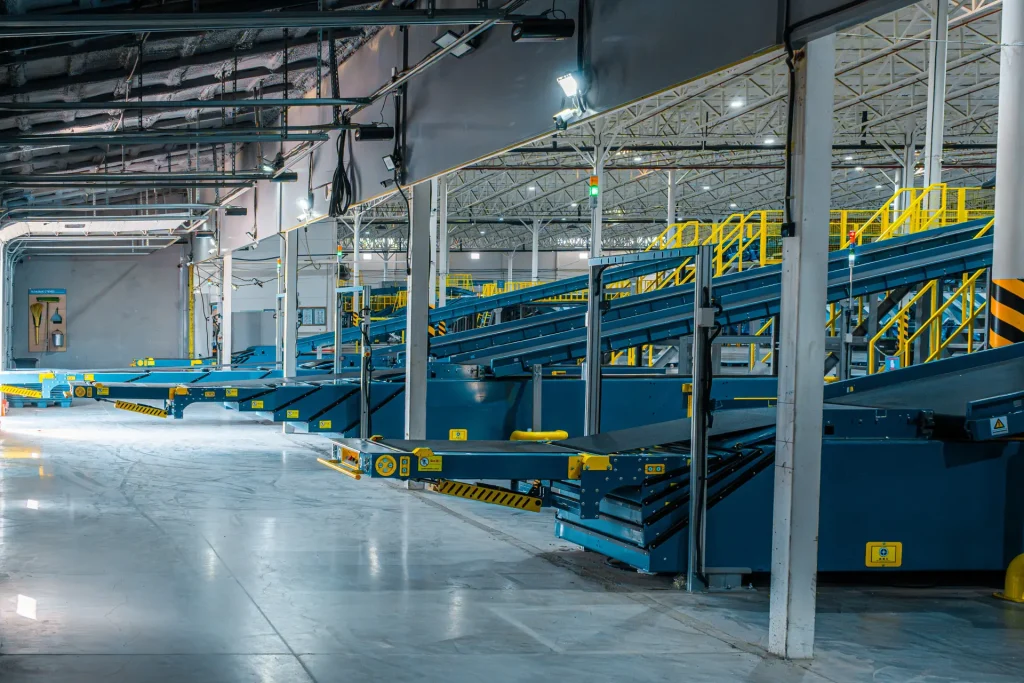
Adjustable reach of the “Cargo” automated line’s telescopic conveyor
Now an employee simply presses a button, the telescopic conveyor extends and feeds the cargo onto the belt. From that point onward, the shipment moves through the process without manual handling.
The system automatically:
- transports cargo from the unloading area;
- scans the barcode;
- sorts shipments across more than 30 destinations;
- delivers them to the dispatch area.
An employee removes the sorted cargo and places it on a plastic pallet.
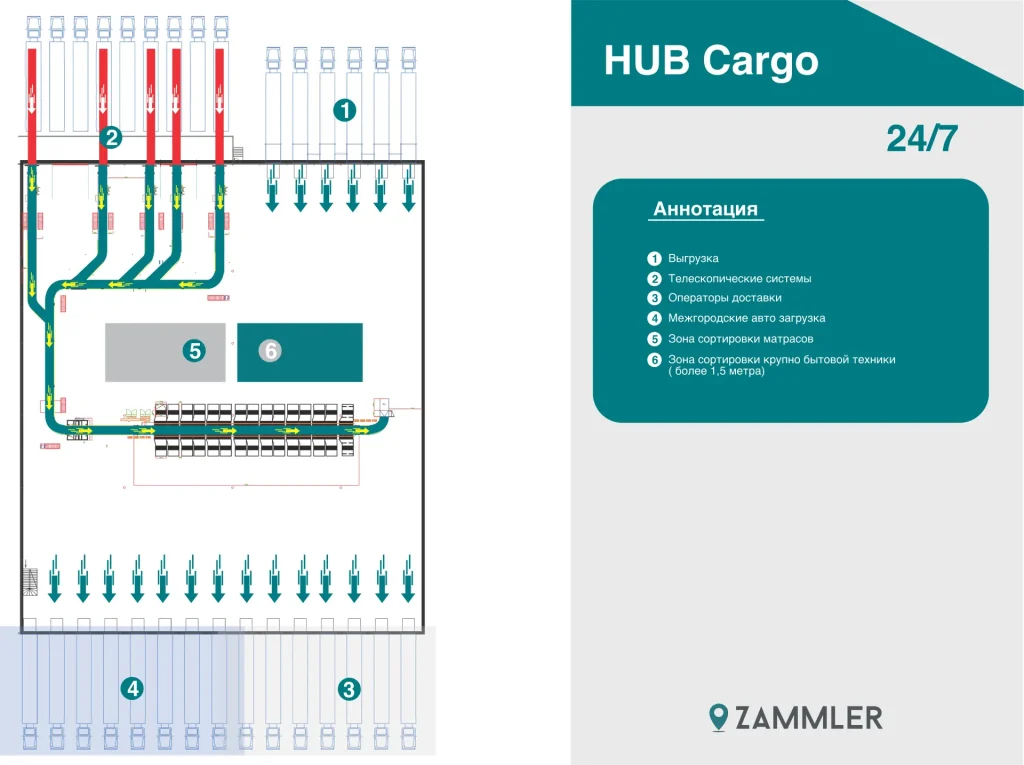
Step-by-step operation of the “Cargo” automated line
Results
Improved efficiency metrics
The sorting rate is 4,000 shipments per hour (the design target has been met and exceeded); scanning accuracy is 99%; sorting accuracy is 99.5%.
Faster order processing
Automation significantly accelerated cargo handling: more than 80% of shipments are now processed at least four times faster than under the previous model.
The increase in productivity is especially noticeable during peak periods. During the latest Kaspi Juma campaign in March, the line handled the entire parcel flow without requiring additional warehouse space—the cargo was processed on time, and productivity was 28% higher than during the previous campaign. In total, during Kaspi Juma, the hub processed 189,862 packages with a combined weight of 2,998,295 kg.
Reduced physical workload for employees
The physical workload on personnel was reduced by half through the use of telescopic conveyors and discharge chutes: employees no longer need to lift orders from the floor or move them manually around the warehouse. This reduced the number of missed shifts and made it easier to recruit new employees.
Simplified training and onboarding for new employees
The introduction of the “Cargo” automated line made it possible to optimize the handling of heavy shipments, increase warehouse productivity, and reduce the physical workload on personnel.
In figures, the hub previously processed an average of 13,000 orders per day with a combined weight of 171 tonnes using a staff of 97 people. After the introduction of the “Cargo” automated line, the same number of employees now processes up to 18,000 orders weighing 230 tonnes in total, which is 28% more while maintaining the same quality and dispatch timelines.
Automation of key processes has made hub operations more stable and predictable even during peak periods. We continue to implement modern technology solutions to improve the efficiency of operational processes and provide customers with consistent, high-quality service.

 Copy link